
Grocery stores prepare for Hurricane Beryl.
With roughly 6 hours to act, LDR coordinated capacity, dispatch, and placement of roll-off dumpsters across the Houston metro for 30+ stores. The retailer recorded 0 contamination incidents, and its corporate office later signed a national emergency-services contract.
0 contamination incidents across 30+ Houston-metro stores.
Only 6 hours to prepare for the hurricane.
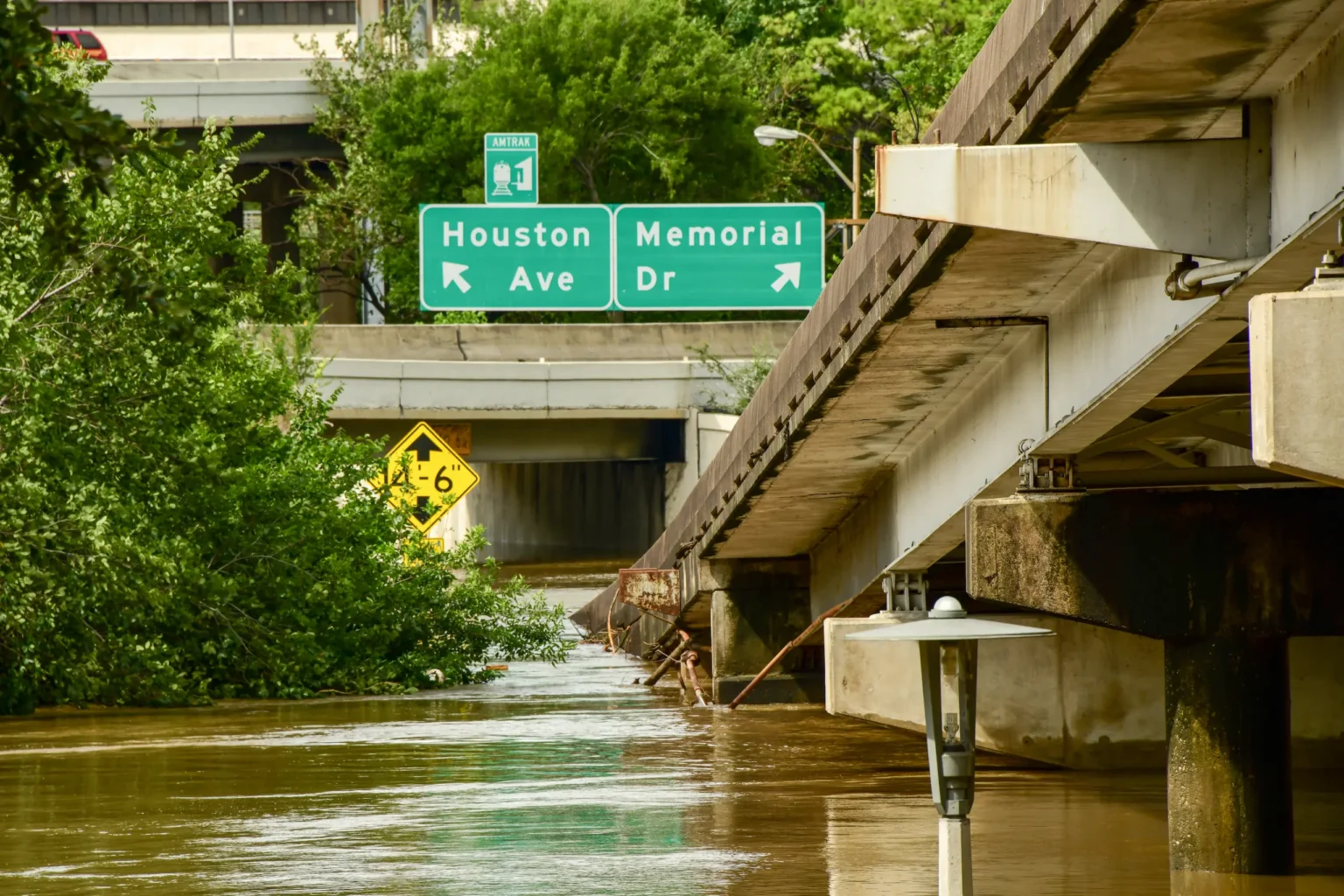
When projections for Hurricane Beryl shifted, the retailer had roughly 6 hours to prepare for landfall. Widespread power loss threatened refrigeration at dozens of Houston-metro stores filled with perishable inventory.
Spoiled food at that scale creates contamination risks, health code concerns, and reopening delays. Local waste capacity was already under pressure, and evacuation traffic complicated deliveries.
The facilities team needed roll-off dumpsters placed at every at-risk store before landfall. It asked LDR to coordinate the multi-site response.
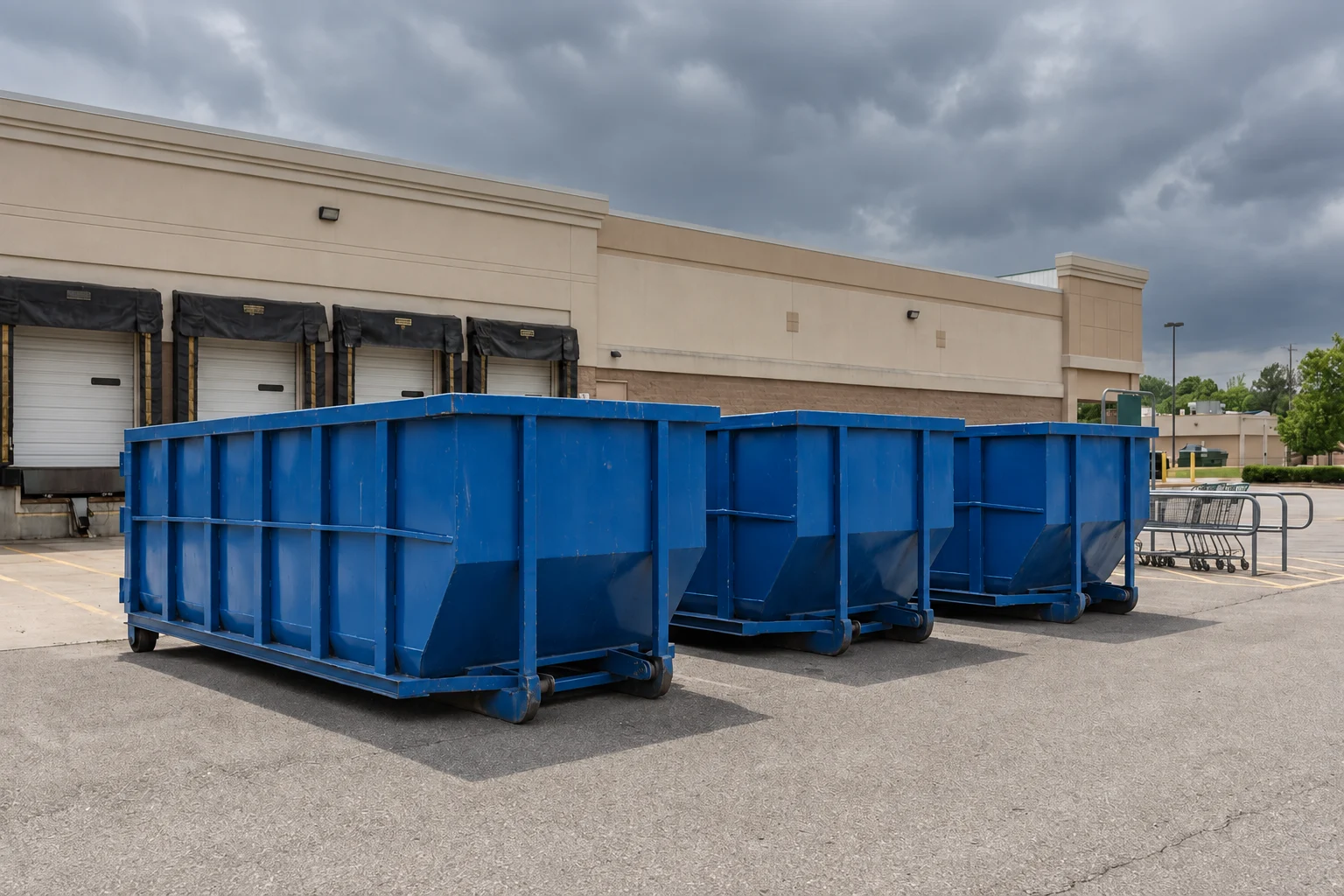
Roll-off dumpsters deployed across 30+ stores.
LDR's emergency response team secured roll-off capacity, dispatched drivers, and coordinated placement to comply with municipal container and right-of-way rules. The team completed the work for all Houston-metro stores within the 6-hour window.
How 6 hours unfolded
0 contamination incidents and a national contract.
The retailer recorded no contamination-related incidents across its Houston-metro stores and could reopen as soon as power returned. After the response, its national corporate office signed a contract with LDR to provide the same emergency services across the U.S.
How retail sites can plan for a rapid storm response.
Deployment depends on one team coordinating capacity, placement, dispatch, and ongoing service across every at-risk location.
Consistent response across emergencies.
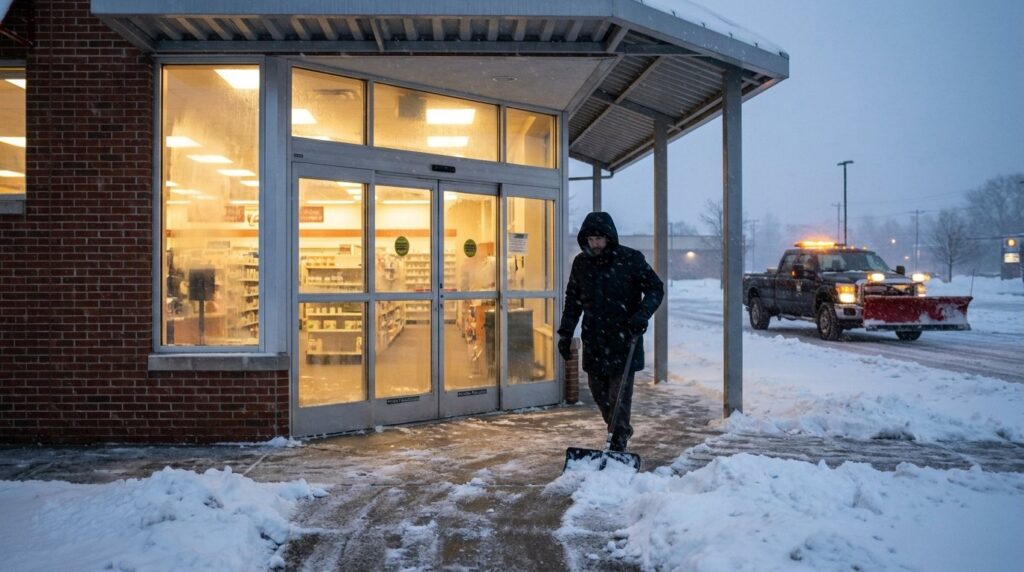
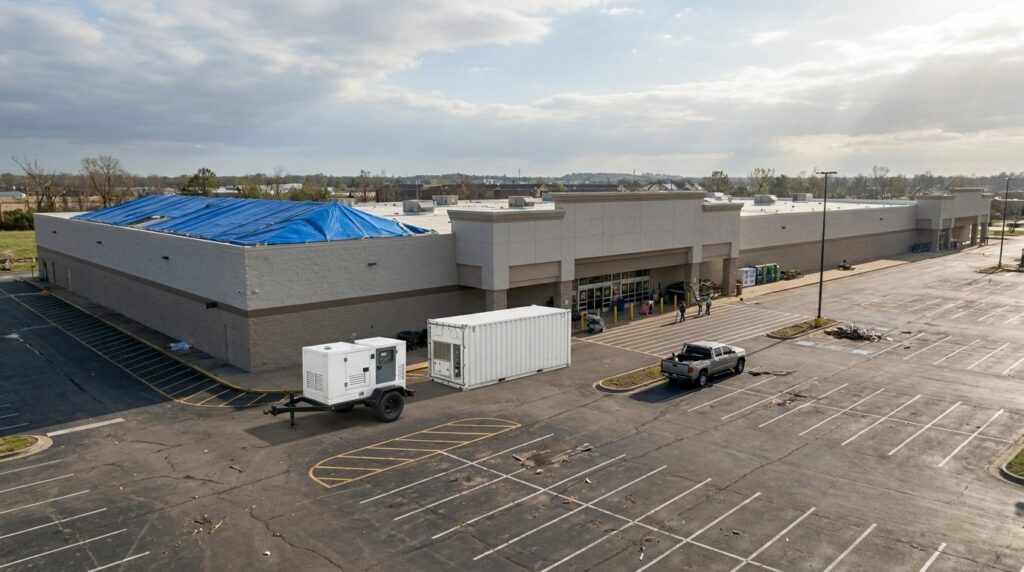
LDR uses one operating model for different events, delivering emergency response at every affected location.
Build your multi-site storm response before the forecast changes.
Talk with LDR about roll-off capacity, dispatch priorities, placement requirements, and ongoing service for your locations.