
Commercial construction site services, coordinated from mobilization through closeout.
Roll-off dumpsters, portable restrooms, fencing, storage, and temporary power coordinated through one LDR account. Review orders through Streamlink or by phone, and have service records kept in one place.
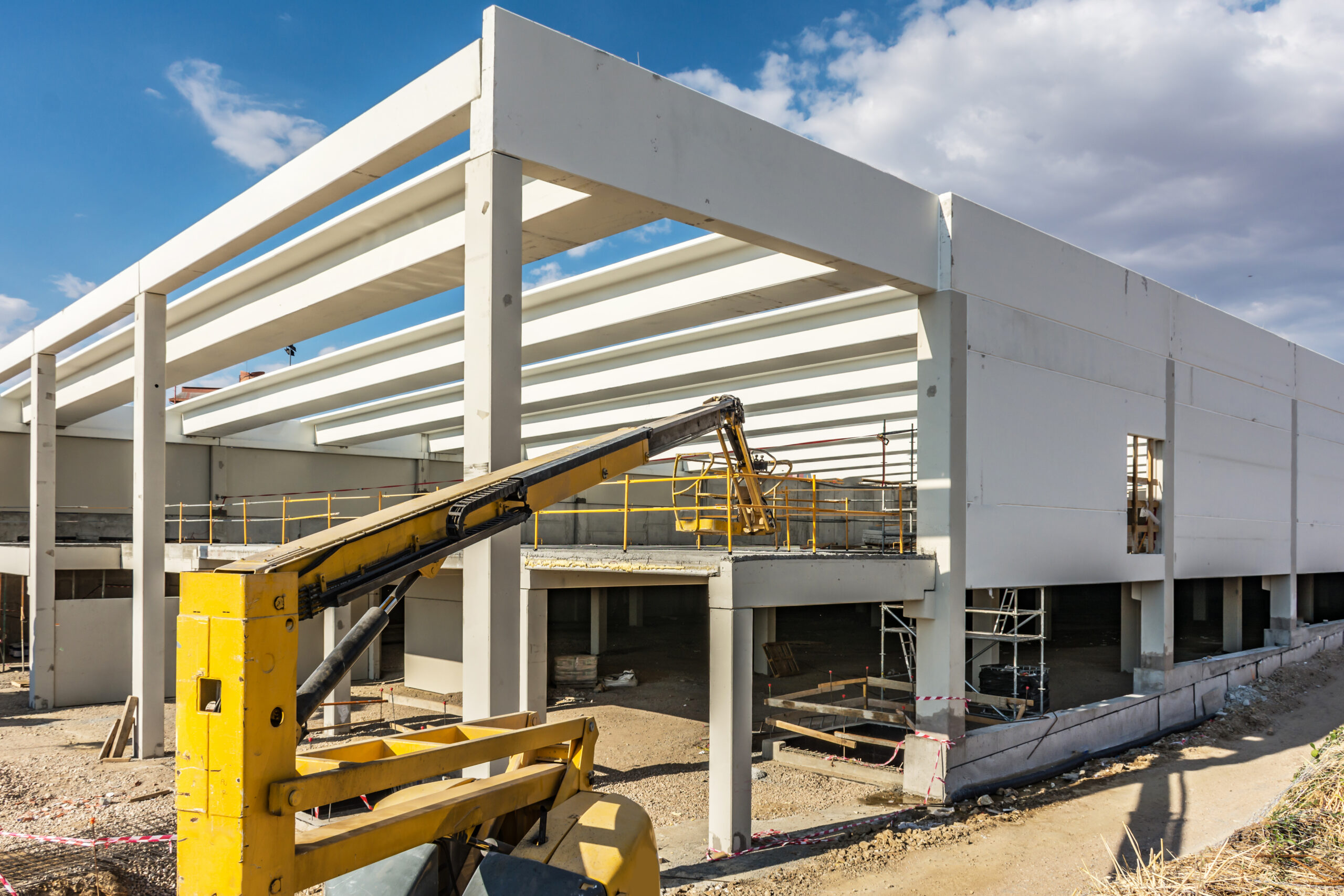
Easily mobilize a new market.
A new-market job needs many things before the first trade arrives. LDR coordinates those orders through one account, so your team does not have to source, vet, and onboard a separate local vendor for each item.
Every site service on one managed account.
Request quotes through Streamlink or by phone, and LDR will handle the rest. Your procurement team maintains the LDR relationship instead of opening a new vendor file for each service and market.
Equipment for every jobsite.
No matter the jobsite, LDR orders your equipment from the same catalog to maintain standardized processes and quality.
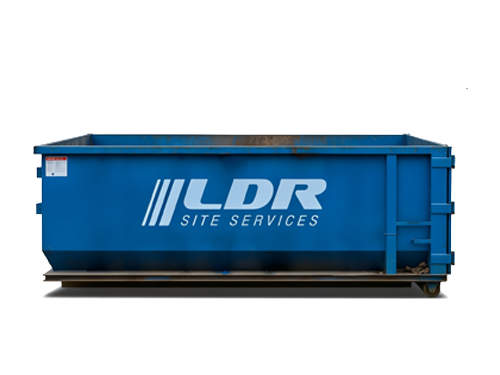
Roll-off dumpsters.
Choose from 10-, 15-, 20-, 30- and 40-yard roll-offs. LDR coordinates delivery, swaps, hauling, and recycling documentation when needed.
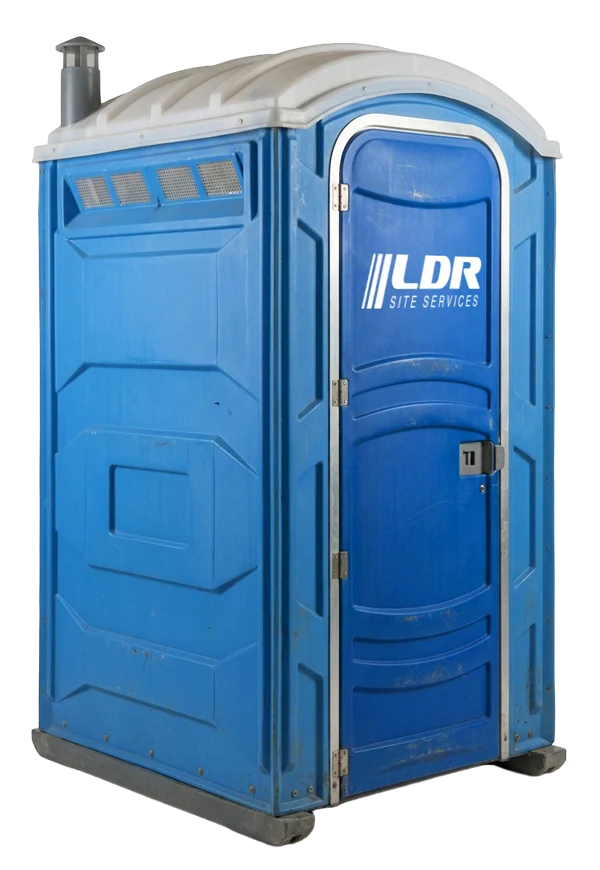
Portable restrooms & hygiene.
Regular and ADA-accessible units, handwash stations, and holding tanks, with service schedules that change with the crew size.
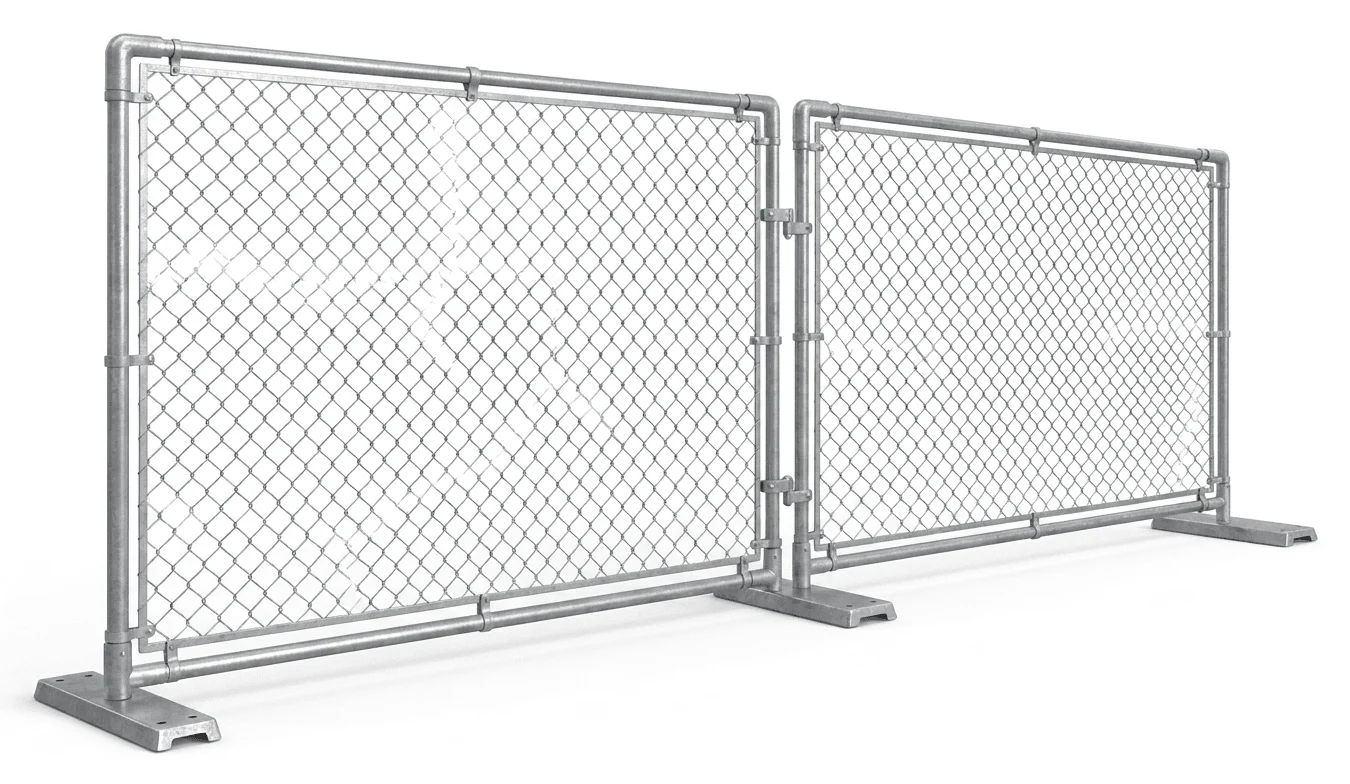
Temporary fencing & barricades.
Perimeter fencing, privacy screens, gates, and pedestrian and traffic barricades, up before the first trade and down after closeout.
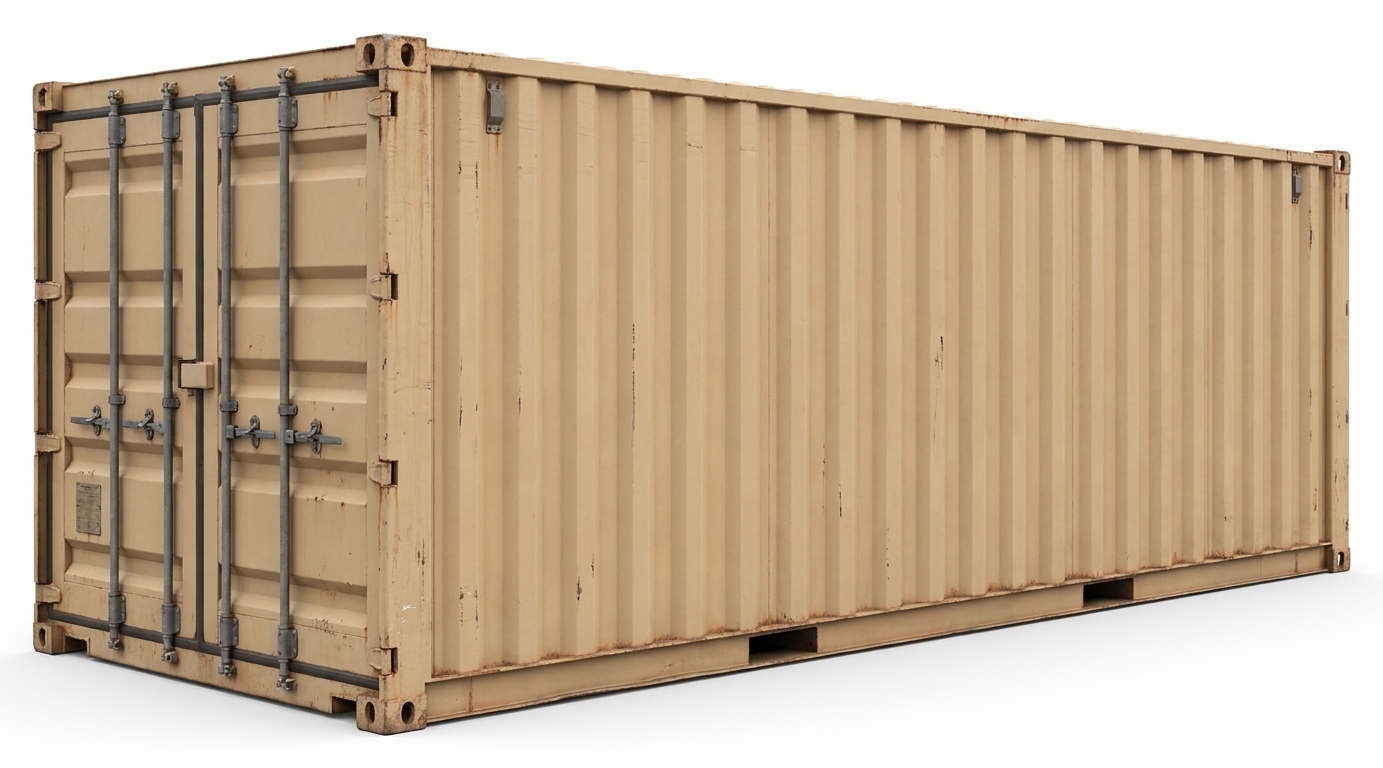
Storage containers.
Lockable on-site storage for anything that shouldn't sit out overnight.
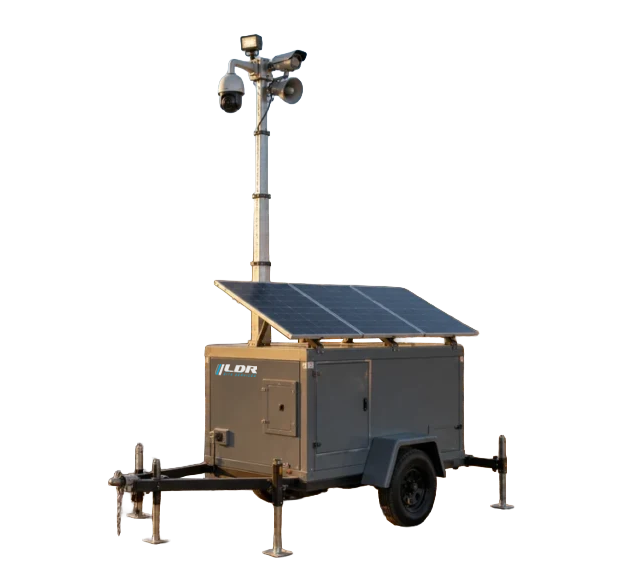
Generators & light towers.
Temporary power and lighting for early starts, night work, short daylight windows, and laydown areas without permanent power.
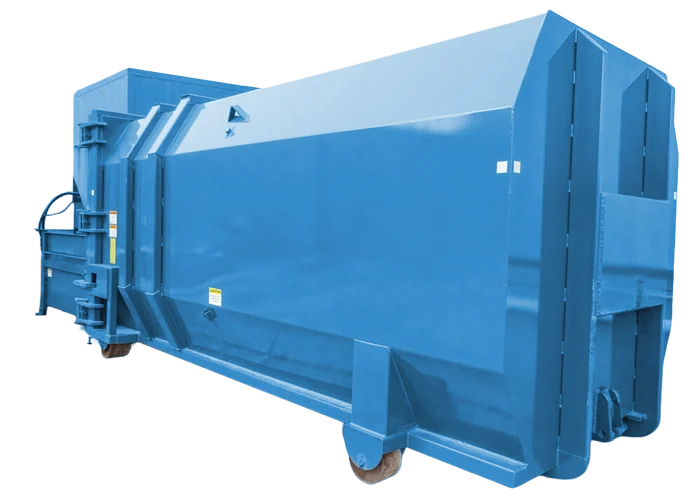
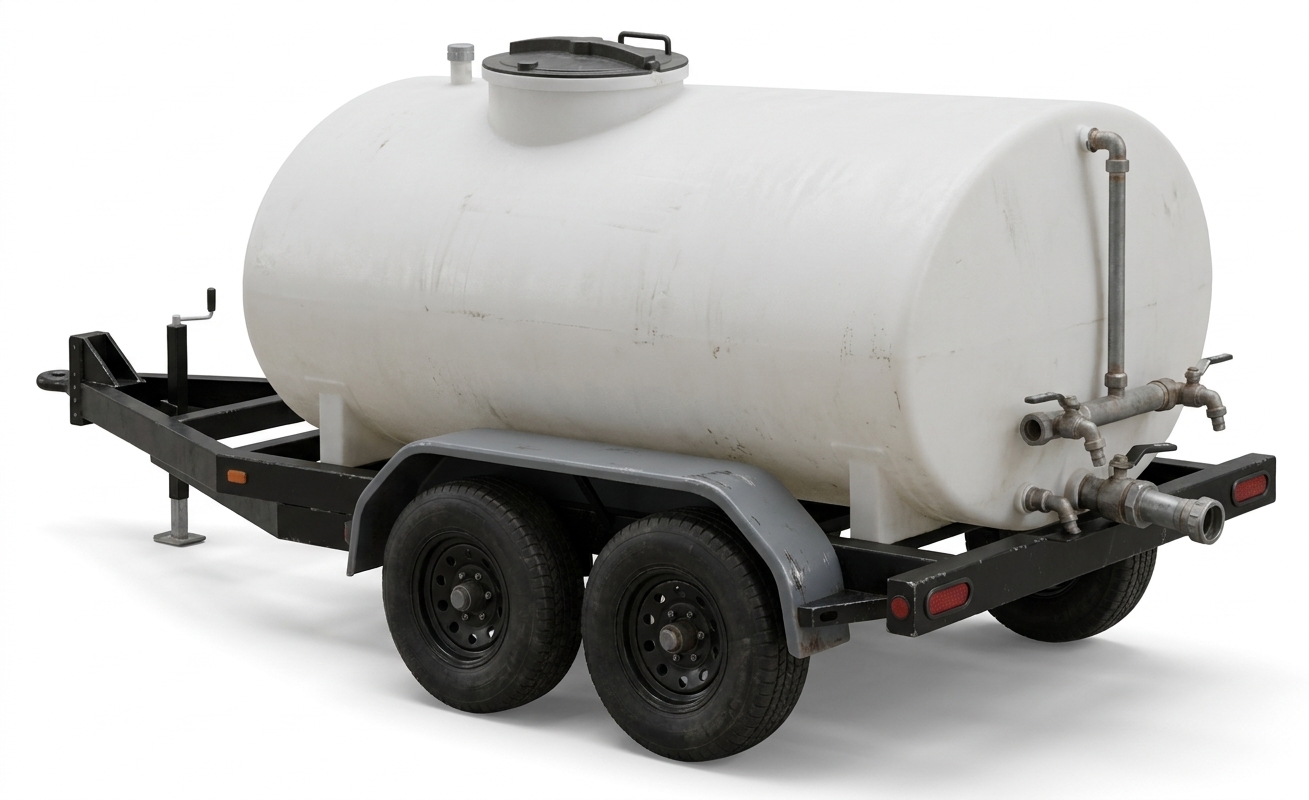
Coordinate compactor service, lifts, water delivery, and other site needs through the same order.
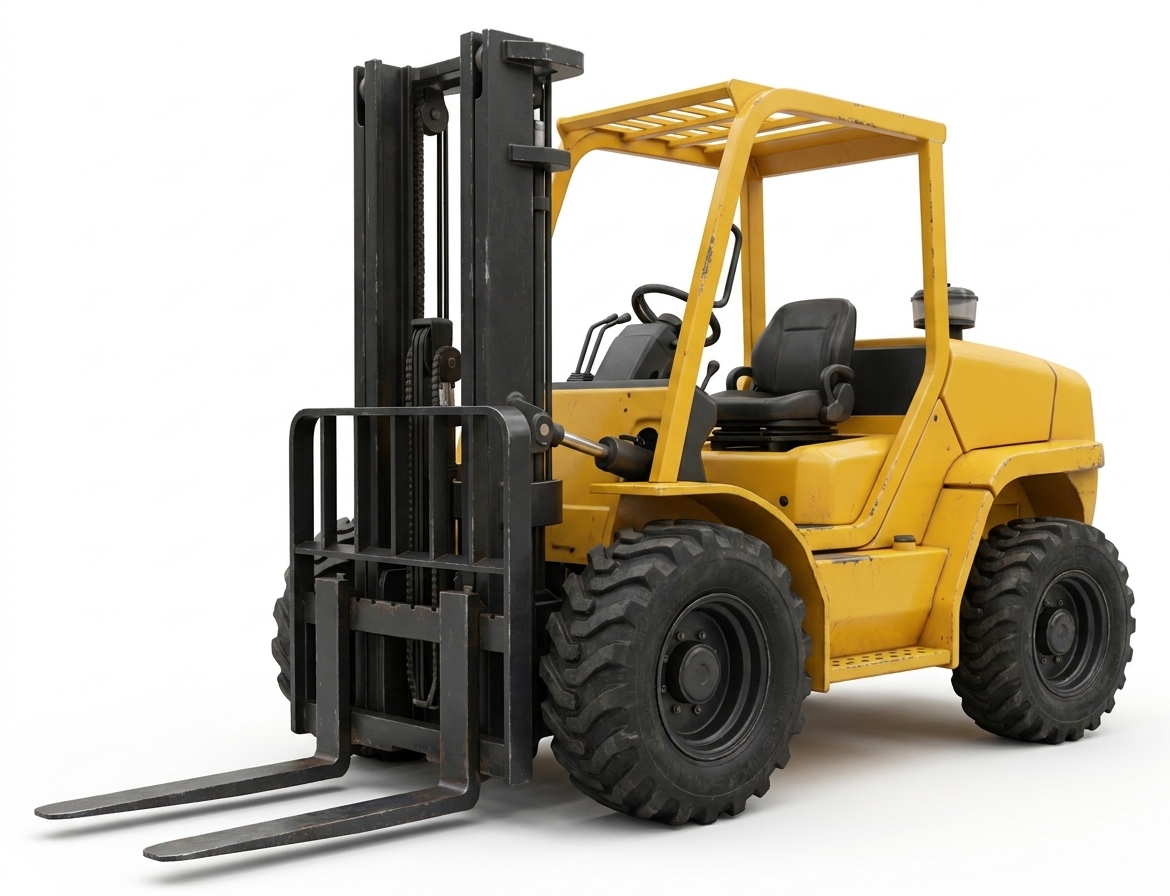
LDR does the vetting for you.
The same standard holds for all site locations.
- Vetted once, not per site. Every vendor in the network is sourced, vetted, and managed by a dedicated vendor relations team.
- The paperwork is ours. LDR handles W-9s, insurance certificates, and renewals, so your project team never has to.
- ADA units on the same order. Accessible restrooms are ordered like any other unit, not sourced separately before an inspection.
Sanitation needs on a construction site are set by federal rules, not by your vendor. Use these numbers as a starting point, and adjust the order when the headcount changes.
Source: 29 CFR 1926.51(c)(1), OSHA's sanitation standard for construction. The same standard requires washing facilities near the units [1926.51(f)] and potable water on site [1926.51(a)].
All perimeter needs on the same order.
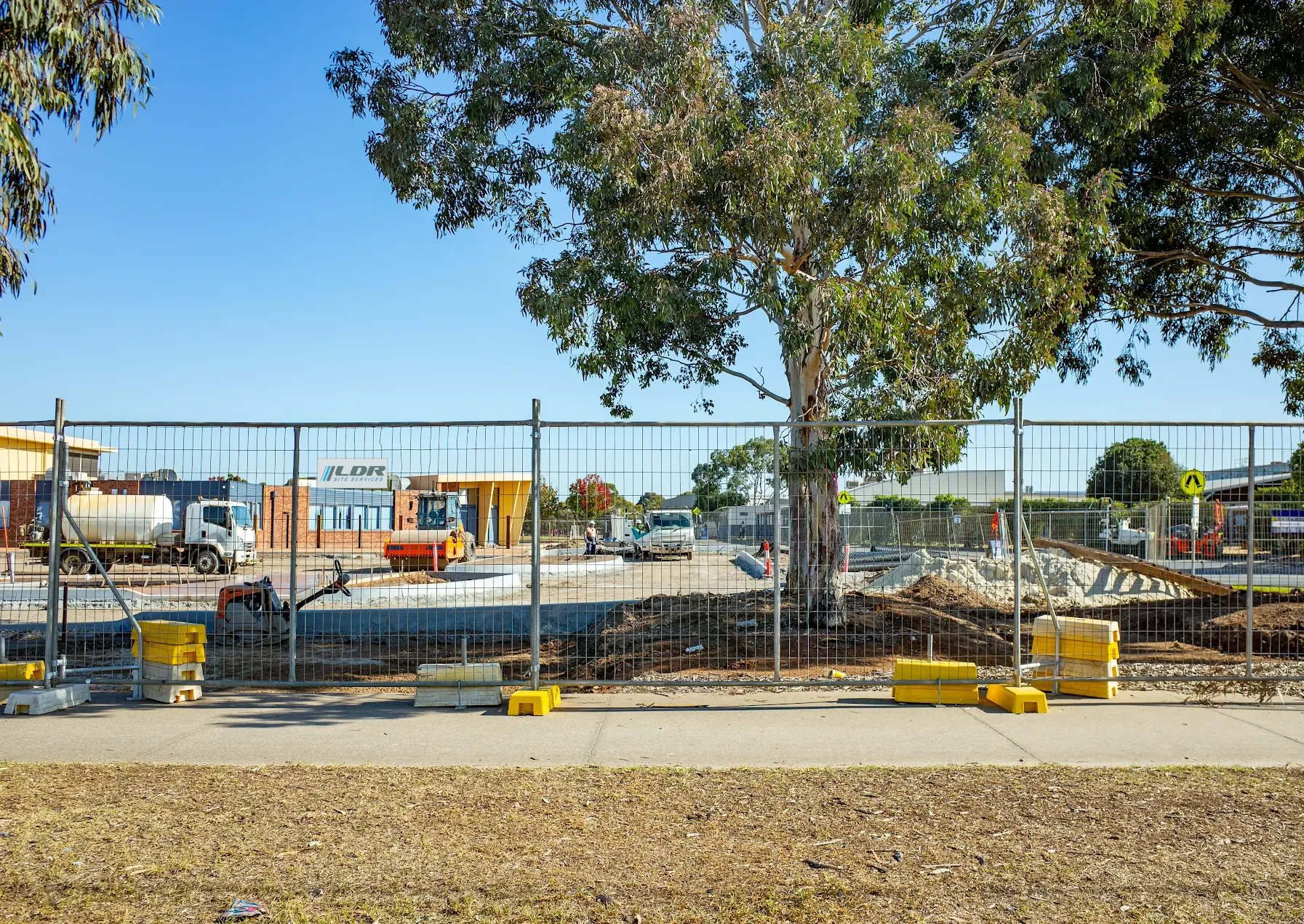
LDR coordinates the equipment that supports a controlled jobsite perimeter: temporary fencing, gates, barricades, light towers, and lockable storage. Your team sets the security plan, and LDR coordinates delivery, service, relocation, and pickup.
Coordinated emergency response.
LDR's dedicated emergency response team is staffed 24/7/365 to coordinate urgent sanitation, waste, power, and fencing needs. Routine orders and sales requests continue through their standard channels.
- A unit down before an inspectionOrder an urgent replacement.
- A perimeter opened by weatherCoordinate necessary fencing, barricades, and lighting.
- Debris blocking an active siteRequest roll-offs and hauling to clear the way.
What construction teams consider before moving an order to LDR.
“Every market is different. Locals know their turf.”
LDR's network gives your project access to local suppliers in every market. We manage the supplier relationship and records.
“We can't risk a no-show on mobilization day.”
Each order has an owner, a scheduled date, and a record. If something changes, your team calls LDR instead of restarting with another local vendor.
“Our PMs already have their own vendors.”
Keep the vendors that work. Use LDR when the project enters a new market, needs another service, or requires one account-level record.
“Half our work is out where the nearest town is an hour away.”
LDR coordinates the local supplier, schedule, service, and record through the same account.
Start with one active jobsite.
Test the process on a real order before expanding the relationship.
Map the requirements.
Review the site, services, schedule, and upcoming markets with an account manager.
Choose the first order.
Use a suitable project to test the process, such as a new market or a remote site.
Evaluate the results.
Review how service was handled and whether the order met your team's needs.


Plan your project with one point of contact.
Tell an account manager what the site needs, where it is, and the starting date. LDR will plan the services and next steps for that project.