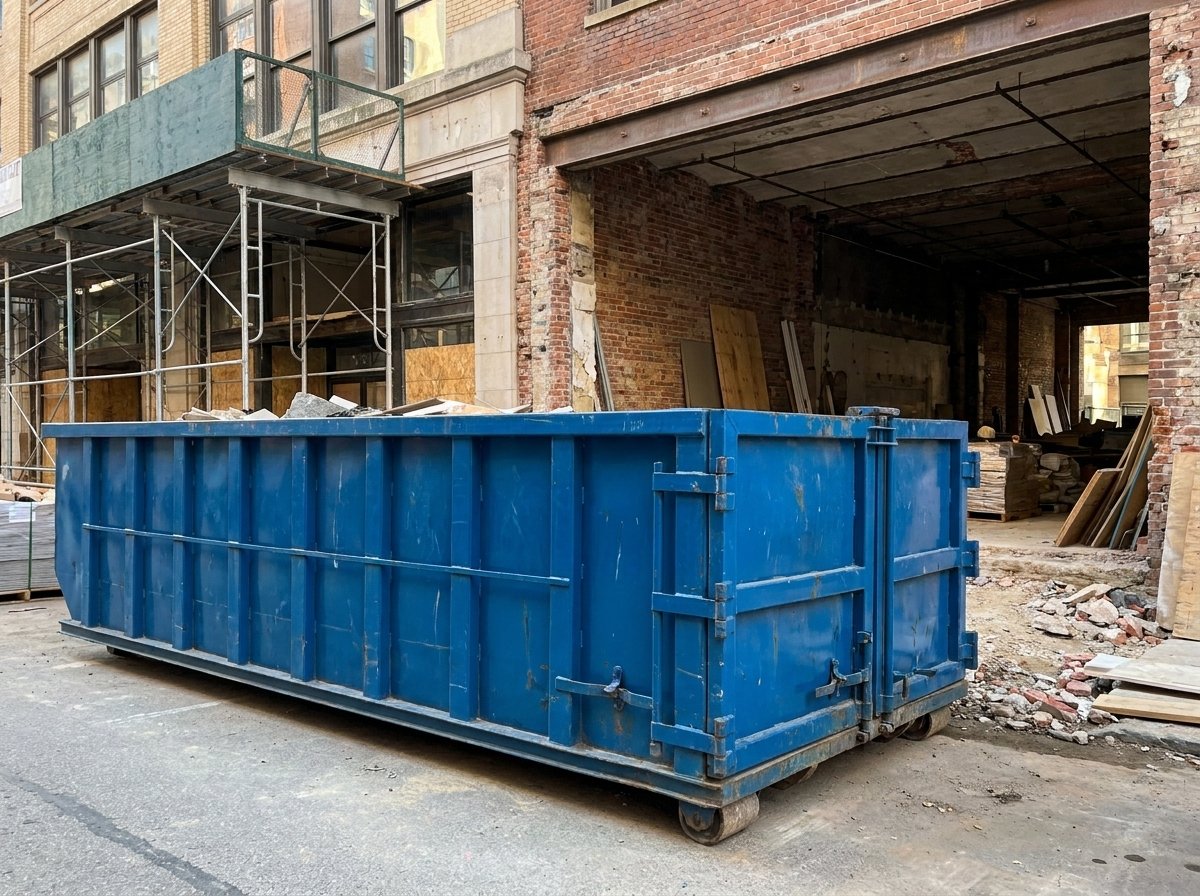
Walk-in loading
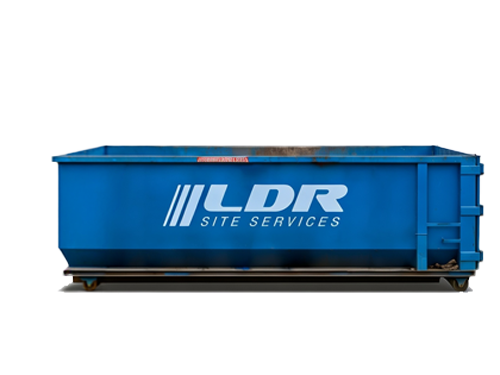
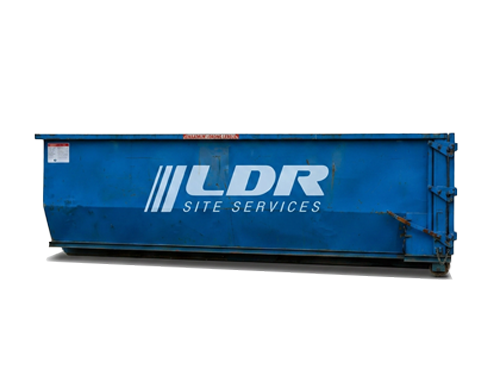
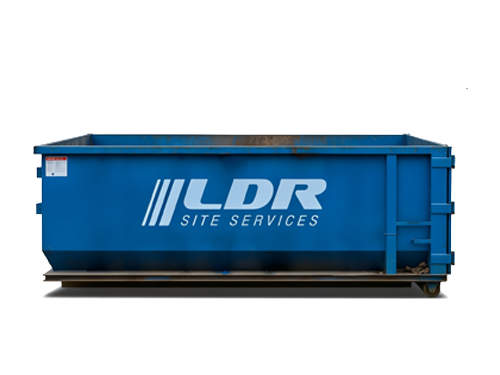
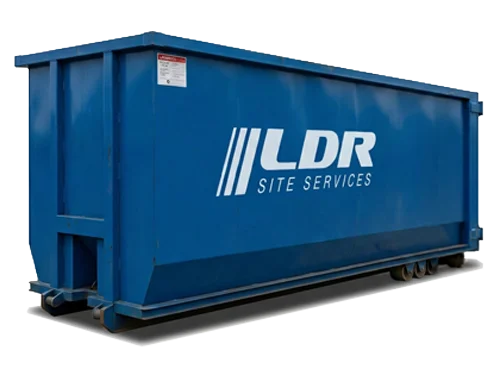
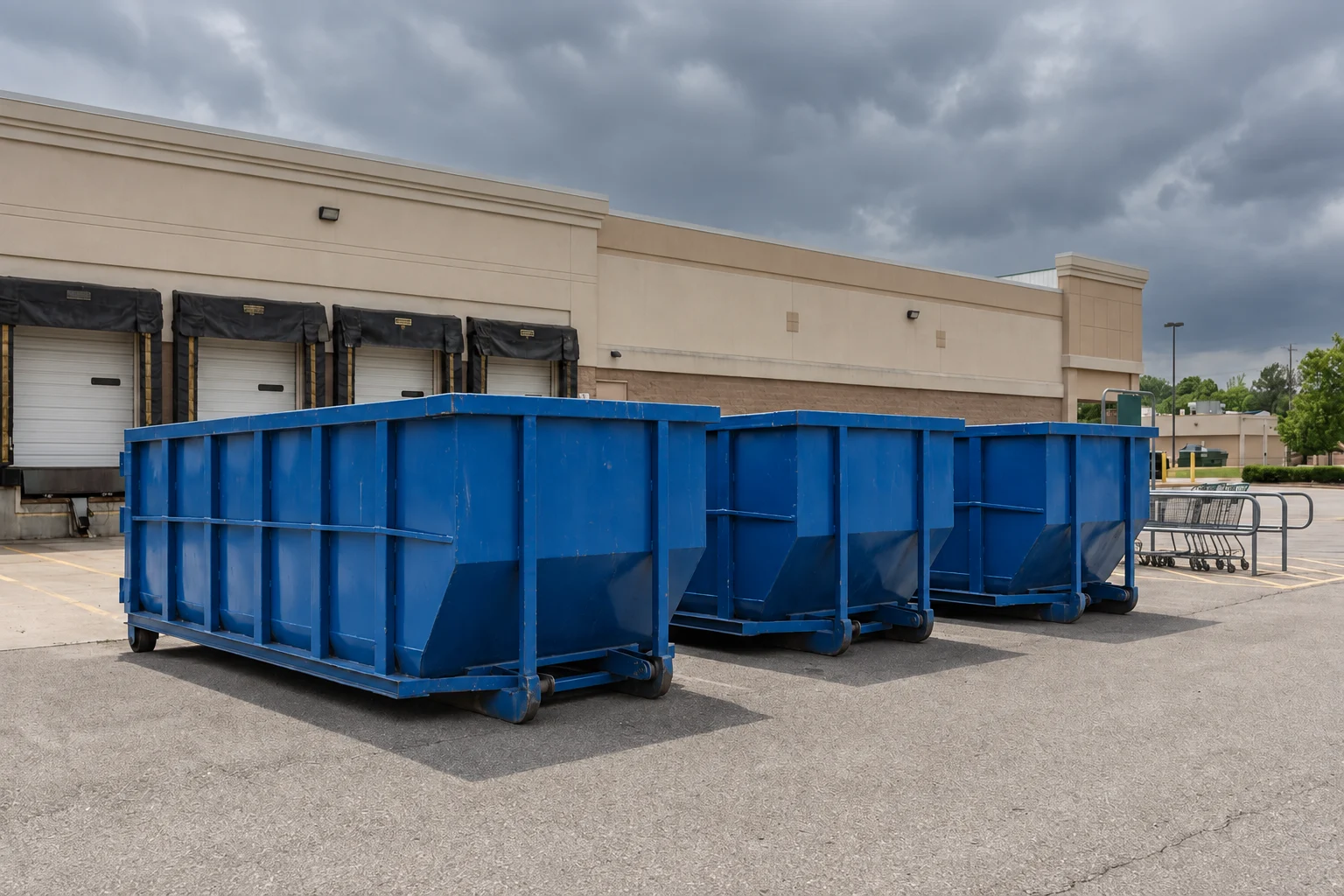
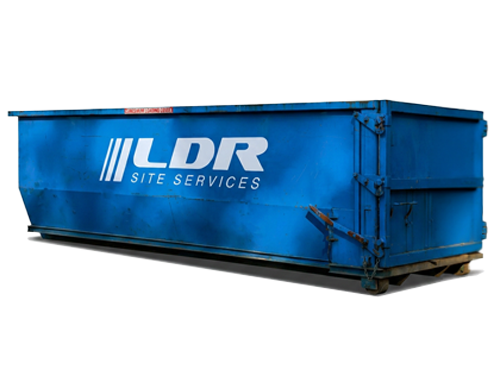
30-yard roll-off
Volume30 cu. yd.
9 pickup-truck loads
CAPACITY170–190 standard trash bags
Mixed-load estimate; dense debris reaches the weight limit sooner
MAX Weight3–5 tons
Use 10-yard for concrete, brick, or dirt
SIZE22′ L × 7.5′ W × 6′ H
Similar footprint to a 20-yard; added capacity from height
Walls6′ high
Rear-door loading instead of over-the-side loading
LoadingRear swing door on most models
Walk-in loading for carts and wheelbarrows; latch before pickup
Empty weight5,200 lbs
Not deducted from included debris allowance
USE CASES
- Demolition debris: drywall, wood, fixtures, and construction materials
- Full-gut renovations and additions
- Commercial construction and tenant build-outs
- Bulky commercial items: furniture, pallets, and renovation debris