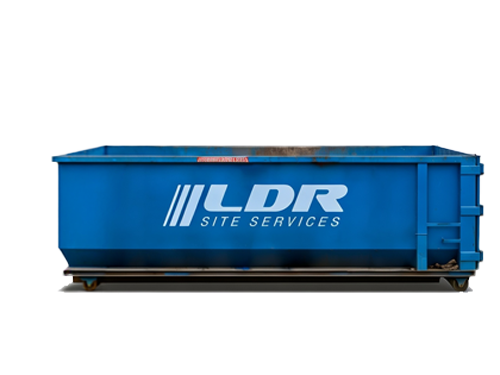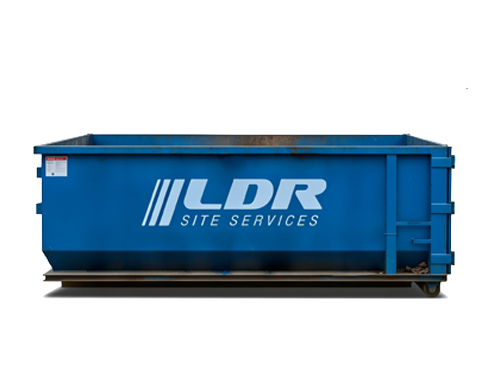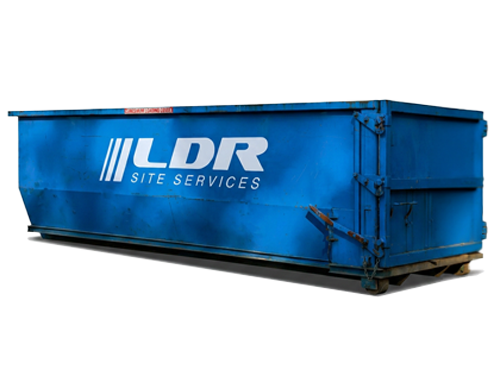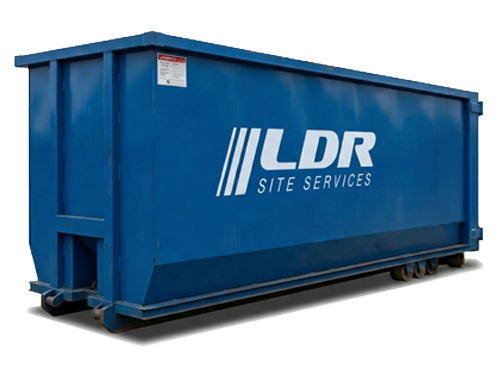
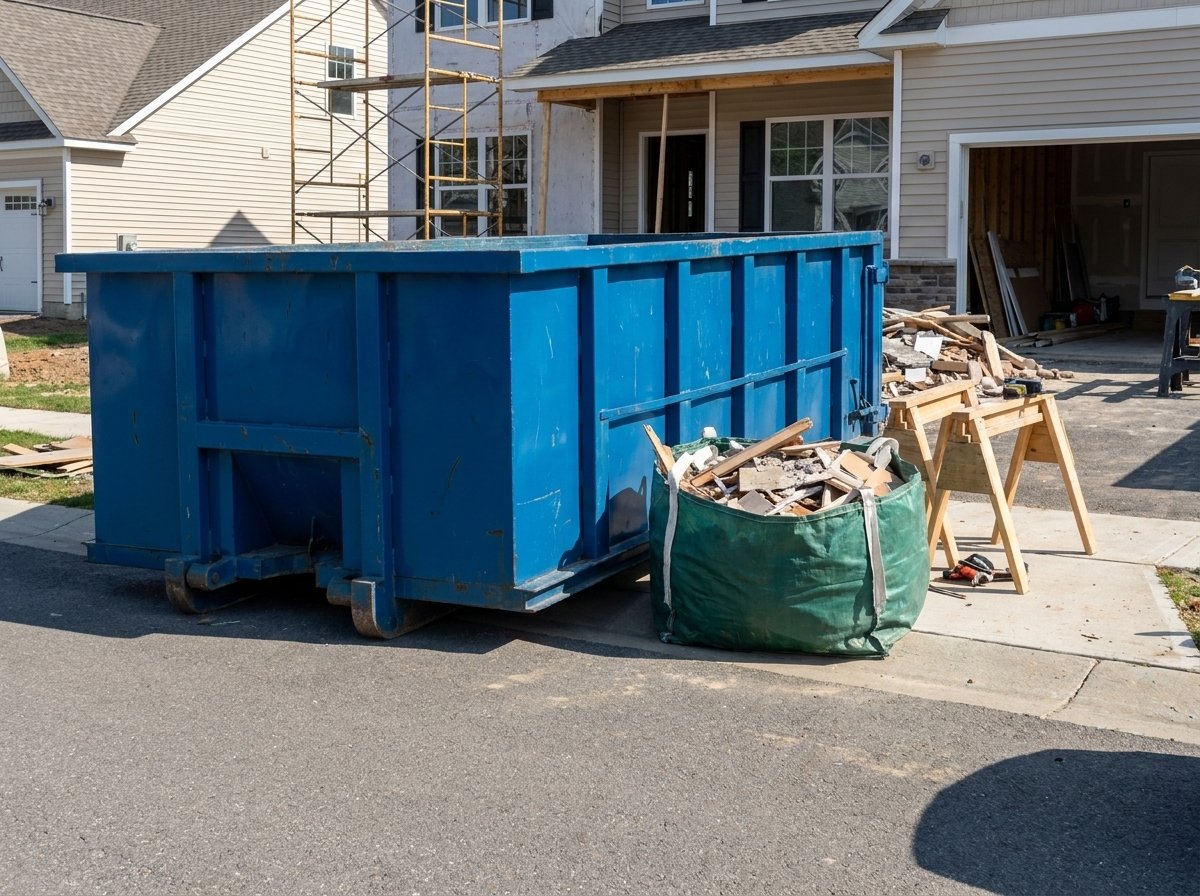
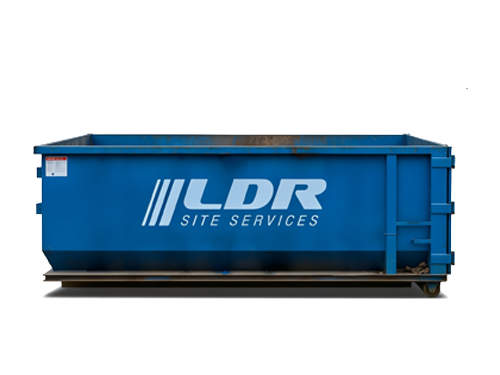
15-yard dumpster rental.
This midsize roll-off holds 80–100 bags with a 1–3 ton allowance and fits many driveways and service areas.

Compare sizes.
Dense debris sets the limit.
Concrete, brick, and dirt reach the weight limit before they fill the extra space. The 15-yard carries the same 1–3 ton allowance, so a compact 10-yard is usually the better fit.
Review the 10-yard →You need more volume without a longer roll-off dumpster.
Mid-sized remodels, flooring removal, office cleanouts, and landscaping can use 80–100 bags of room. The 15-yard carries the same 1–3 ton allowance as the 10-yard but adds 5 cubic yards and is roughly 6 feet shorter than the 20-yard.
The site is open and the project is larger.
Whole-house projects and ongoing construction need more room. The 20-yard adds about 30 bags of capacity and 1 ton of allowance when the site can accommodate its length.
Review the 20-yard →Remember: An overfilled container cannot legally leave, and a dumpster that's too small can require a second rental.
Review specifications.

Dimensions can vary. Container specifications differ by market and manufacturer.
10-yard.
Use the 10-yard for concrete, brick, and dirt. Its lower volume helps keep dense debris within haul limits.
1–3 tons · 3 loads
20-yard.
The most-rented size, handles mixed debris for remodels, roofing, and cleanouts. Plan one pickup or recurring swaps.
2–4 tons · 6 loads
30-yard.
The rear swing door supports loading by cart or wheelbarrow, while the walls are lower than the 40-yard.
3–5 tons · 9 loads
40-yard.
The largest standard roll-off has 8-foot walls and requires a dock, ramp, or equipment for loading.
4–6 tons · 12–16 loads
Confirm the drop zone & loading plan.
Keep the full container footprint clear.
- Confirm that the site can accommodate the available model.
- Clear vehicles, unlock gates, and move stored material before delivery.
Keep debris level with the rim and within the allowance.
- The truck cannot legally haul an overfilled container.
- Tile, plaster, and shingles can reach the weight limit before the container is full.
- Do not load electronics, batteries, tires, paint, chemicals, propane tanks, or freon appliances. Call before delivery if the material is uncertain.
Confirm rental timing & haul-away.
- Confirm the rental. The rental includes a clean, graffiti-free container, delivery, removal, and disposal.
- Extend the rental period if required. Call before the scheduled pickup to request more time.
Change rental details through one call.
Arrange a swap when the container fills early.
Call the service team to remove the full roll-off dumpster and deliver an empty one.
Move dense debris to the right container.
Split a load that will exceed the 1–3 ton allowance into smaller containers before pickup.
Move a larger project to the 20-yard.
Use the same contact to change sizes while keeping service on the existing order.

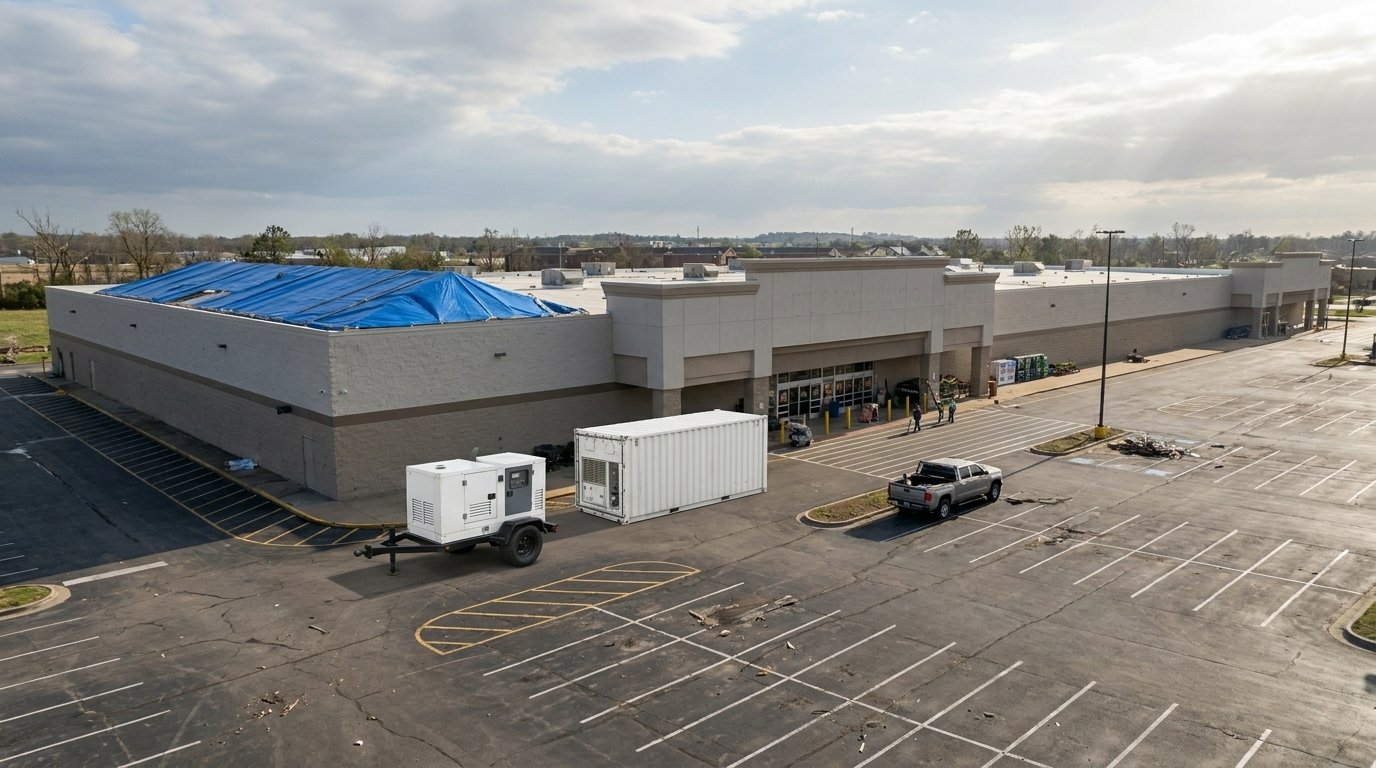
In spring 2024, a tornado system affected 18 stores for one of the nation's largest big-box retailers. LDR activated at sunrise on a Sunday and coordinated debris crews, generators, and sanitation across all 18 locations. Every store restarted operations, and the retailer signed an ongoing services contract afterward.
FAQs.
Will a 15-yard dumpster handle a residential roof tear-off?
Do I need to be on site for delivery?
What does a 15-yard rental cost?
How fast can it be delivered?
Can you cover more than one location?
Plan one 15-yard rental or a multi-site rollout.
Share the sites, debris, timing, and placement details. An LDR account manager will confirm size, container availability, delivery windows, and pricing.