
Equipment rentals for your home project.
Roll-off dumpsters, portable toilets, and storage containers placed where you need them and removed when the job is done. Provide your project details, and LDR will coordinate the rest.
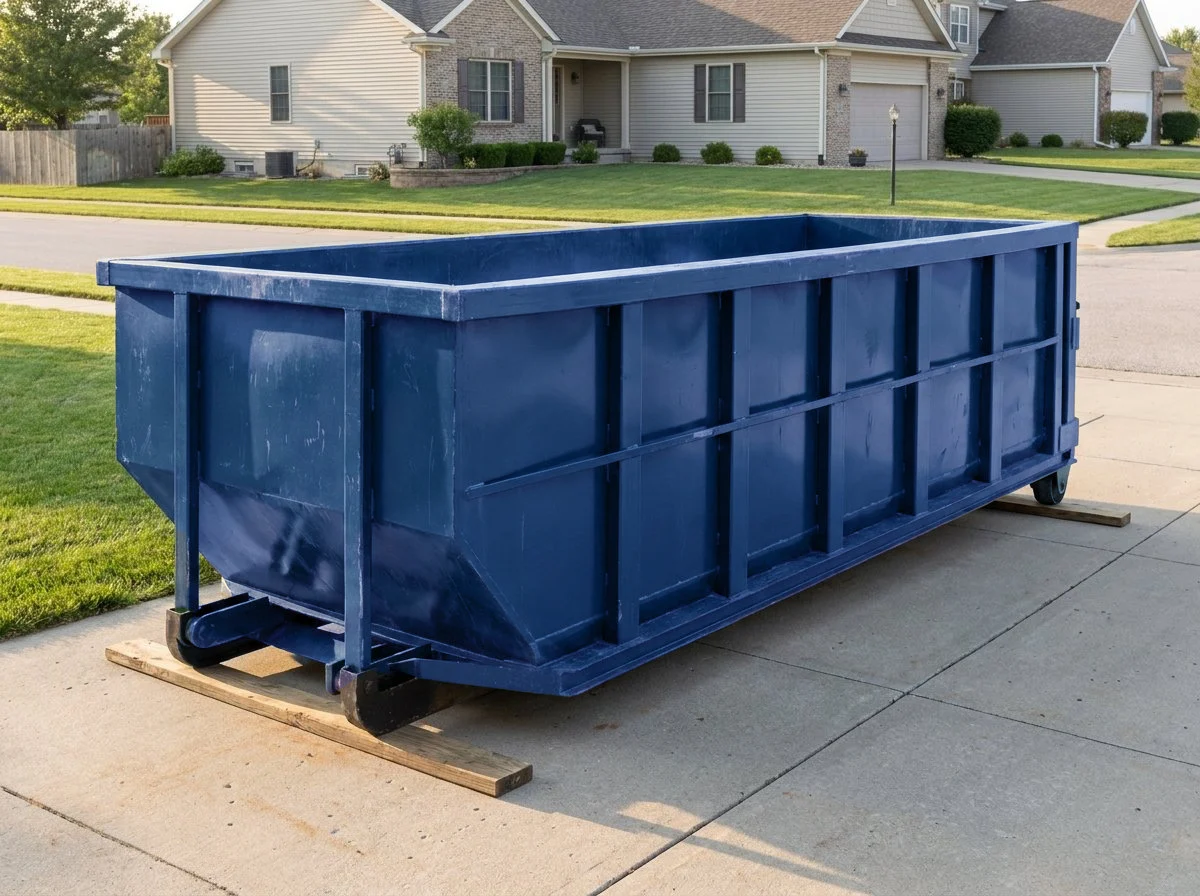
Choose the right size dumpster.
Tell us what you're removing, roughly how much there is, and where the container can sit. We use those details to help you choose the size you need before delivery. All measurements approximate.
- One room stripped
- Concrete or brick tear-out
50–70 bags Weight allowance: 1–3 tons Low walls make it easier to load over the side. This is often the only size that can carry concrete, brick, or dirt within legal hauling weight. - Bathroom or kitchen remodel
- Single-family roof tear-off
- Yard overhaul
- Full renovation
- Move
110–130 bags Weight allowance: 2–4 tons About 22 feet long, with lower walls for easier loading. This is the size most home projects use. - Large renovation
- Deck or garage coming down
170–190 bags Weight allowance: 3–5 tons Most models have a rear swing door, so you can walk debris in instead of lifting it over the wall. - Whole-property clearout
Choose by weight when the material is dense.
Every container has a tonnage allowance. Dense material can reach that limit while the box still looks half empty. If it exceeds the allowance, the truck cannot legally haul it until material is removed.
Tile, plaster, shingles, brick, dirt, and hardscape are heavier than they look. If most of the load is dense material, the right container may be smaller, not larger. Name the material when ordering so we can size for weight instead of volume.
Know what can and can't go in the dumpster.
Electronics, batteries, tires, paint and chemicals, propane tanks, and appliances with freon cannot go in the container.
Common home-project material such as drywall, lumber, cabinets, flooring, carpet, furniture, roofing, fixtures, and yard debris can go in. If you're unsure about an item, call before delivery to confirm.
Add portable sanitation or storage to the same order.
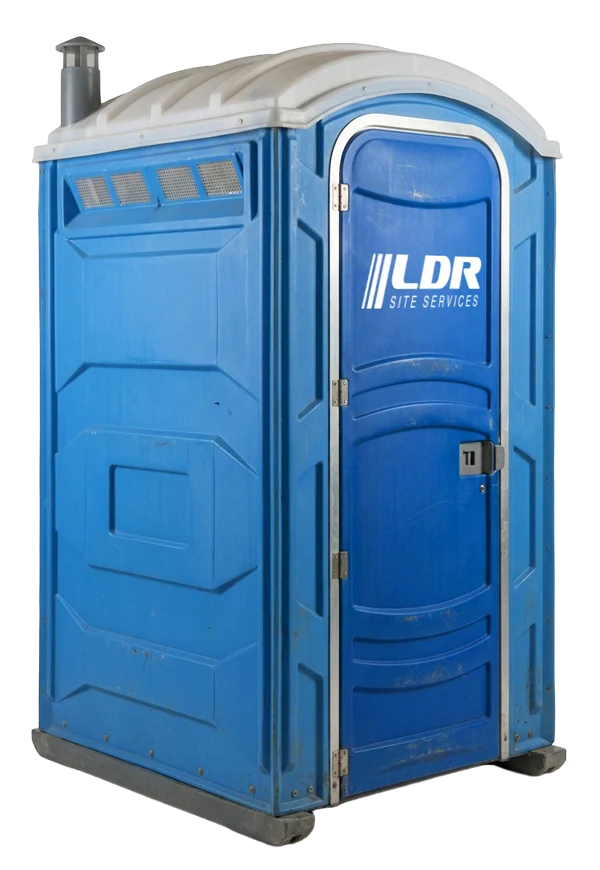
A portable toilet.
A fully self-contained unit that needs no water line or power. A standard unit is 44″ wide by 48″ deep. Set a schedule for pump-out and restocking when you order.
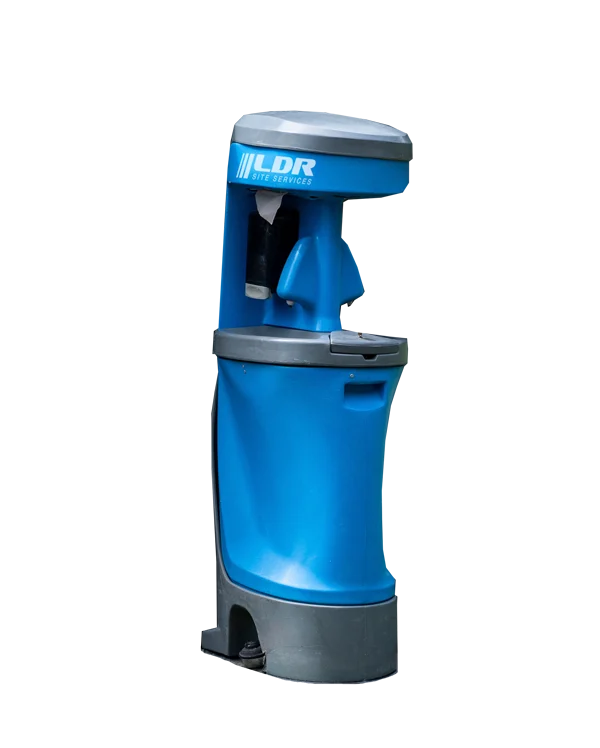
A handwash station.
A foot-pump sink, available in 2- and 4-station sizes.
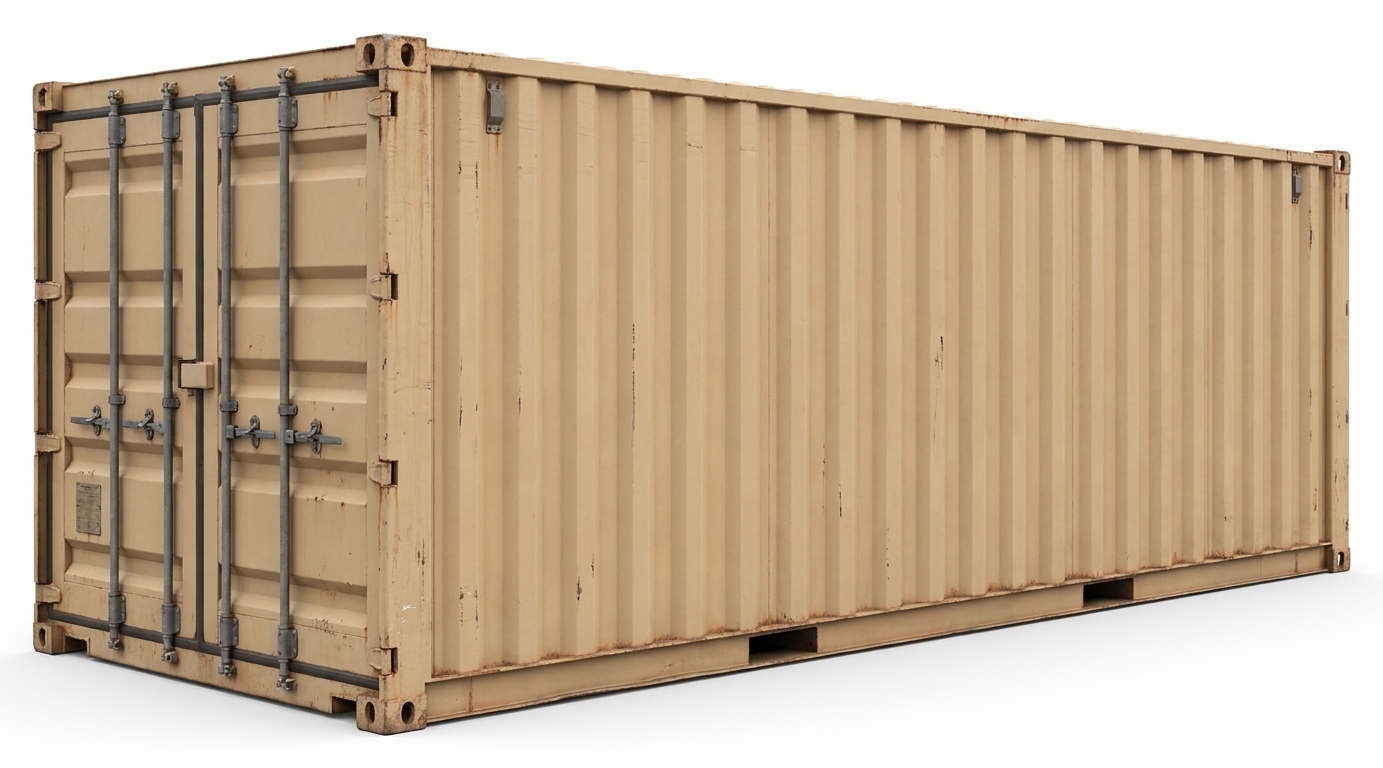
A storage container.
Lockable driveway storage for furniture, materials, or other items that must leave the work area before the project starts.
Plan for delivery.
Most residential containers go on a driveway on private property where a permit usually isn't required and where the work is nearby.
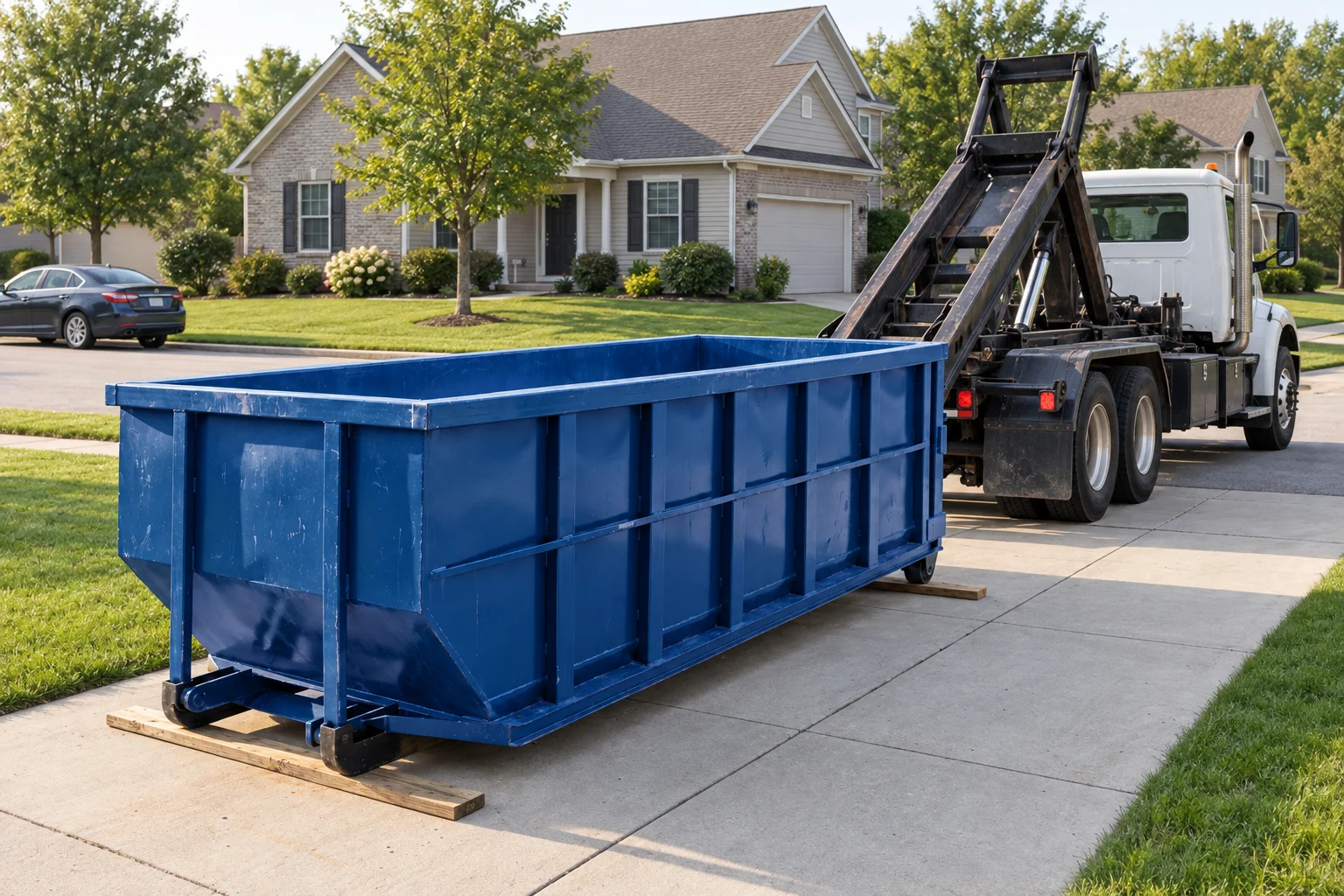
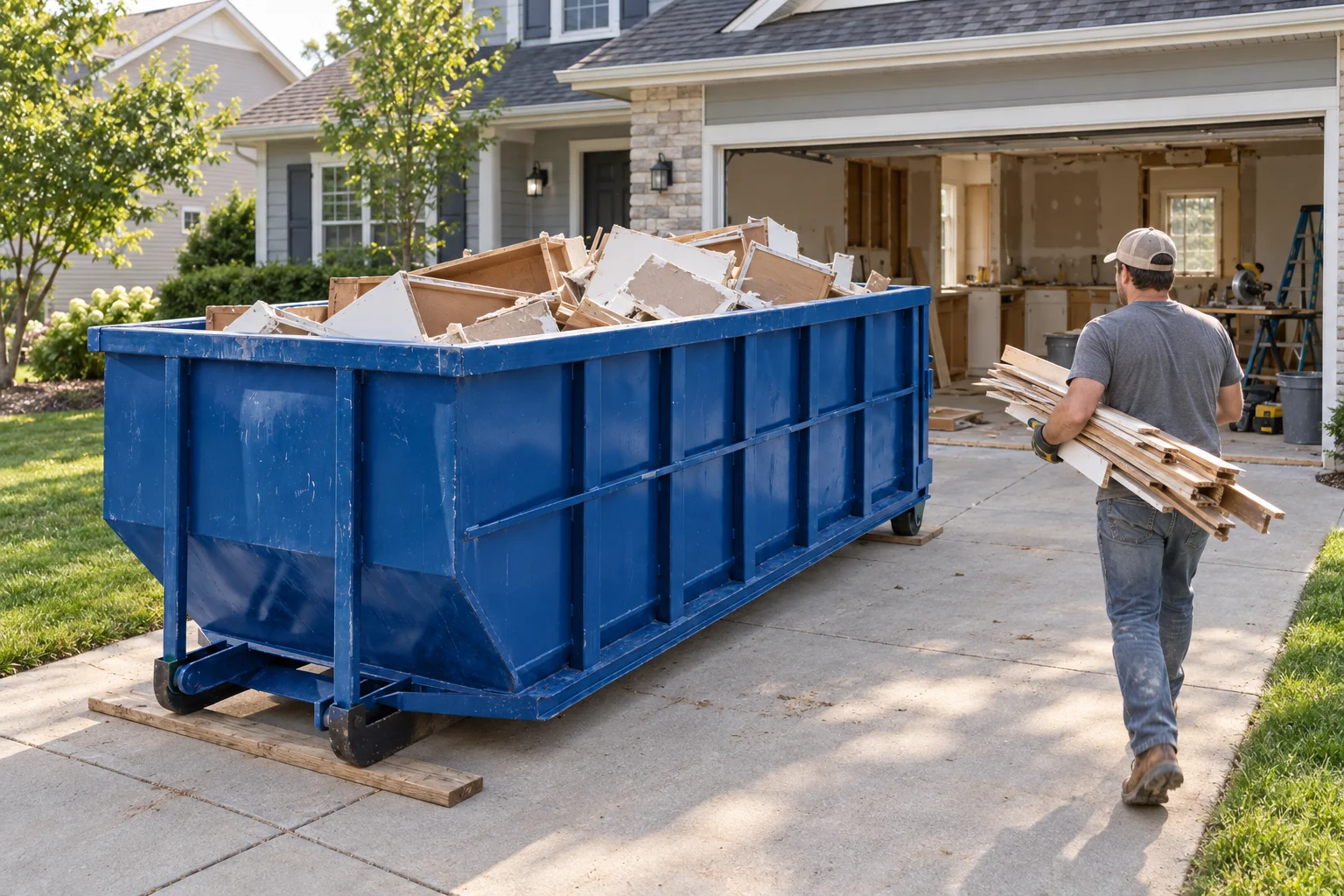
Leave a clear path for the delivery truck.
The truck needs enough space and overhead clearance to back in, roll the container off the rear, and drive out from under it. Low branches, service wires, or a carport above the drop area can prevent placement. A 40-yard container needs more room than most homes have. A 15-yard container is designed for tighter driveways.
Before delivery, move vehicles, open the gate, and clear the full drive path. Tell us when you order if the site has a shared driveway, narrow alley, slope, or soft ground. We review tight placements before sending a truck.
Protect the surface under the rails.
A loaded roll-off is heavy and rests on steel rails, not wheels. Warm asphalt and older or decorative concrete are especially likely to mark. Plywood or planks under the rails help spread the load. Put them in place before delivery because the container cannot be moved by hand once it's set.
Set the rental period around the project.
Keep the container for the rental period. Most home projects take a few days to a couple of weeks, giving you time to work without compressing the job into a single weekend.
If you need more time, contact us before the pickup date.
If the container won't fit on your property, a public-street placement may be possible but will likely require a permit. Confirm your city or county requirements before delivery.
One call to coordinate delivery & pickup.
LDR manages the entire rental, including the container size, schedule, placement, and final haul.
If the timing or scope changes, help is available 24/7/365.
FAQs.
What does it cost?
Do I have to be home when it's delivered?
What if I pick the wrong size?
Can it go on grass?
What if I need something on a weekend or a holiday?
Set the equipment before work starts.
Tell us what you're removing, where the equipment can go, and when you need it. One contact coordinates the order from sizing through pickup.
LDR coordinates vetted crews in all 50 states, bringing the same ordering process to your address wherever the project is located.